Showing posts with label classroom life. Show all posts

Wednesday, January 30, 2013

I Bet You Didn't Know! Kind Words Make A Rainbow

This post comes from Heidi Echternacht, a Kindergarten Teacher in New Jersey.

Fresh on the heels of Monday night’s Kinderchat discussion on schools, teachers, students and guns- (Sorry! It still sounds to me like a “One of These Things is Not Like the Other” song from Sesame Street!) led by the brave and fabulous “Team Indigo”, here is a post on fostering the process of Peace in the Classroom Community.

The Problem Solving Center:
One of my favorite moments in the Early Childhood Classroom- or any classroom for that matter- is the inevitable argument. “That’s mine!”, “I had it first!”, “It isn’t fair!”, “She always gets it!” Yes, young children and governments alike are well versed in these discrepancies.

As soon as Free Play starts, it’s Prime Time for these issues to appear. Wonderful! Yes, wonderful! Each and every argument is opportunity. A gold mine of opportunity to practice solving problems, dialoguing, self-control, friendship and creativity. In my classroom community, dealing with arguments are not catch-as-catch-can but highly focused and driven by predictable procedures.

Official Procedure for Dialogue:

1. Both parties of the argument (or all) are immediately asked to remove themselves   from the Play area and retreat to the “Problem Solving Center”

2. If there is crying, there is absolutely no talking until all parties have calmed down

3. I ask “Do you need my help?” to both parties. If they agree “no” I remove myself with the understanding that they conclude the conversation (see number 5)

4. If my assistance is needed, I listen to each side of the story, feeding dialogue as needed.

  • Student A: “I was angry when you said I was a kitkando* and I hit and I made a bad mistake.”
  • Student B: “I was angry when you took my toy and so I called you a kitkando”
  • Student A: “I got that toy first, though”
  • Teacher: “We only have one (truck) what can you do?” Or in extra heated discussions, I will claim the truck. “That truck is my truck and I am sharing it with the class. I don’t like it when kids fight over my toys. I don’t want my truck hurt. I’m putting it up here until you two can figure this out”
  • This usually freaks out both parties just enough for them to quickly dig up a solution to share or take turns or whatever they need to do in order to have the privilege of using my toys.
  • Student A: “Here, you can go first. Can I use it after you?”
  • Teacher: makes a big deal- “WOW! Thank you for those kind words! You are a problem solver!”
  • Student B: “How about we share it?”
  • Teacher: “Wow! I see rainbows everywhere! This is amazing!” (I bet you didn’t know kind words make rainbows, did you?!)

original photo by Heidi Echternacht


5. All conversations are concluded by shaking hands, “Friends again”, smiles or hugs. If the party is still angry, they are asked to stay in problem solving and the other party is asked to go back to playing ie:

  • Student A: “I’m still angry and I don’t’ feel like talking now” (facilitated dialogue)
  • Student B: “I’ll come back later to talk when you are ready” (facilitated dialogue)


The Center:
The design of the problem solving area is important. It must be a quiet and somewhat removed area of the classroom. There are “Feelings Books” and photos of children expressing various feelings posted around the area. The puppets live here and there are two chairs that sit facing each other to indicate that this is an area for dialogue. For fun, there is an “Easy” button from Staples they can push at the end of the discussion. I have also added a good stick from outside the Peacemaker is allowed to sand with sandpaper.

Peacemaker? Yes! A new job this year, one child is designated “Peacemaker” and is called on to solve (minor) issues. I am there for the major ones of course, but it has worked really well to give added responsibility to the peer group. I probably need to ring a bell when the peacemaker ends up in an argument too! Who said Early Childhood isn’t a microcosm of the world’s problems?!

Once this structure is firmly in place, it helps the day go incredibly smoothly. There are no interruptions to the play and the children’s problems and arguments are taken seriously and addressed by both the teacher and community. Students emerge stronger leaders with the tools of dialogue and ability to creatively look for solutions. Make one in your room and see what happens! 


*no one actually knows what a kitkando is, other than it’s bad. Nonsense name calling upsets are my favorite!


Heidi Echternacht CoFounded Kinderchat with Amy Murray in the summer of 2010. You can check out her website here.

Tuesday, January 29, 2013

What does your classroom say about you?

Today's post is from @carriemarshall1, a teacher on the East Coast of Canada.

If someone were to walk into your classroom while you were out, what would they think about you? What kind of a teacher do your walls say that you are? What are your values and beliefs? All of these work together to become our "hidden curriculum." I was originally introduced to this concept when I was working on my first degree back in the mid-late 80's. Of all of the ideas I was introduced to then, that (and the role of play) resonated the most with me. It resonated because I believe it is true. What I value, what I believe, those things come out not only in what I choose to put on the walls, how I arrange my room, but also how I choose to teach.

I claim to teach with an integrated curriculum, making sure what we are learning is not taught in an isolated way, but showing my children how math, science, literacy, etc. are all interconnected.
As this year has rolled on, I have been reflecting on my walls and my room. What does my room say about me? My response has caused me to make some minor changes to my room. I have opened it up, tearing down the artificial dividers that I had put up between my "centres". So, instead of having a science centre, an art centre, and a math centre, I have a space for all of these but it is much less defined. Because I see the interconnectedness in all three of these areas, and I want my students to see that connection as well. Because I see the interconnectedness of the world, I want my students to see that too. I "tore down the walls" figuratively, and I opened up my classroom. 


This is an older photo of my room. It is still pretty open, but what I ended up doing was taking all of those shelves that separated the areas and moved them up against the walls or shifted them in such a way as to give the room a bit more flow without making it one large open space.  By opening up the classroom, the students are forced to integrate our subjects because they are all in the same area. The sand and blocks also blend quite nicely in as well.

But, opening my room up was only part of my "integrated revival". I began to critically look at my curriculum and how I was approaching teaching. I am a lover of science. I enjoy all of the fun experiments we can do, I love to bring nature indoors and the class outdoors. I love investigating ideas about how and why things work. But as I reflected on my day, I noticed I was not highlighting this love. The more I began to read, the more I was convinced I could reignite this love of science without sacrificing the literacy and mathematics goals set forth by the department of education. I have always had a science journal, but I realized I was not utilizing the journal as best as I could. It had become more of a filler activity. Now, much more of our daily writing is centred around what we are investigating in science. When we talk about patterns, we shift over to the science area and see the patterns in nature through leaves, shells, starfish. 


Teaching is always a work in progress. I believe that when we stop reflecting on our teaching, we stop being relevant to our students. So I continue to reflect on ways to integrate my classroom. I reflect on what my walls are saying. Right now, I hope my walls are saying, "This is the classroom that values all of its members. It shows in what she has on the wall, how the room is arranged, and what is written in the science journals." I hope my walls show value and respect, because that is what I have for my kids.


Carrie Marshall is a wife, a mother, and a teacher. Born in the midwest, she now resides on the East Coast of Canada. She has been teaching in the area of early childhood for 23 years, 9 of those years in kindergarten.

Sunday, January 27, 2013

Genius Hour: Is this possible in a kindergarten class?

Today's post is from @jpulvers, a kindergarten teacher in British Columbia, Canada.

"Genius Hour" is a relatively new term in education, but has been around in the business world for a few years. Organizations such as Google have an 80/20 work week, where employees are given 20% of their work week to "explore" things that interest them. Many brilliant ideas have come out of that 20%.

The short version on the education side goes something like this: In July of 2011, Daniel Pink wrote a blog about how a Credit Union in Washington was using "Genius Hour" with their employees. These employees were given time each week to use as a "Genius Hour" to pursue their passions. Angela Maiers saw this blog and re-tweeted it and suggested we need this in schools for teachers.  Denise Krebs spread this information via Twitter and her blog, both of which were discovered by Hugh McDonald  and Gallit Zvi  who were keen to try the idea in their classrooms. I work with Gallit and Hugh and their passion is contagious! More info about "Genius Hour" will be included at the end of this blog.

Gallit is my buddy teacher and our classes often do projects together. The more time I spent with her and Hugh and see how engaged their students were during "Genius Hour", the more I contemplated trying it with my class. But I was plagued by thought like, "They have ideas, but they can't research them...they can't even read" and "how would they share their learning when they can't write sentences yet".  I am very fortunate to work with an amazing group of people who are always making me question my practice and push me to try new things. My co-workers are always encouraging me think outside the box and they never let me "get away with" excuses like the ones mentioned above. Many of our conversations end with "well, why can't you do this?" These conversations make my head spin, leaving me to come up with ways to modify things to the K level. As my principal Antonio Vendramin,  tweeted last week, "It's all about the What if... rather than the Ya, but..."

I am not one to back down from a challenge, so driving home one day thinking about how to make this happen - it hit me! We can use our buddies to help us with the "research" and we can use the Book Creator app on the iPads to create books about an animal that  interests them. I knew I would need more help, so I recruited our amazing teacher-librarian Anna Crosland and asked her if she wanted to be a part of this "experiment" with my K class. Anna jumped on board and the 3 of us (Anna, Gallit and I) developed a plan. This activity was done in April/May of last year.

1)  I would make a Sample eBook with my class. This took about 3 lessons. For this book, we used Penguins as that was the last animal we studied and we made a pages for habitat, food, enemies and 3 interesting facts. We took pictures and recorded the sentence using the Book Creator app.  Here is our class book.


2) Gallit had her class write and produce stories using Book Creator to share with my class as way of teaching them how to use the app.  My class LOVED "reading" the stories their big buddies made on the iPads. Here is a sample of a book written by our buddies!


3) I asked each student in my class to pick an animal that they wanted to know more about. I gave the list to Anna, and she pulled many books on each animal for us. We set aside a 45 minute block for the next 5 weeks where both classes would meet in the library to develop their books. The idea was that the big buddies were there to guide the little buddy through the research part and assist them with putting their books together. We came up with criteria for what information should be included in the eBook and that each page needed to have 3 components:
  1. A photo taken by the little buddy.
  2. A sentence scribed by the big buddy.
  3. A voice recording by the little buddy talking about the page.
I was a bit skeptical at first as to how well this project was going to work, but looking back on it now, EVERYONE  was on task and excited to be learning. The big buddies were so happy to "teach" their little buddies and the little buddies were so excited to be "researchers". There was no fooling around, no conversations that were off topic and everyone was learning something! All the doubts I had were erased when I saw how hard everyone was working and how upset they were that the work period was up! Here are some samples of finished work.

When this student started the year, she was just learning English and wasn't that comfortable speaking. Listen to how confident she sounds now talking about Cats.


Adaptations were made so that every student could participate. Here is a wonderful book from student with Autism, who has come so far since the start of the year. Here is a video of his Elephant book.


After working hard on our eBooks, we took the time to share each and every one of the books. The students were all so proud of how hard they worked and sharing their books was a highlight for everyone. What is the point of making a book, if only the teacher is ever going to see it? Having an authentic audience gave everyone a real purpose for completing the task to the best of their ability.


This is a project that I am going to do with my students again this Spring. I am so excited to give them ownership of their learning. After all, they should be learning about their passions, not mine!! With a bit of thinking outside the box, modifying for the needs of the students, anything is possible in a Kindergarten class - even a modified Genius Hour!!

For more information on Genius Hour, follow Gallit @gallit_z, Hugh @hughtheteacher and Denise @mrsdkrebs on Twitter. Also check out #geniushour chat on Twitter the first Wednesday of the month at 9pm EST  and the Genius Hour wiki. Gallit has also posted some articles on her blog about integrating technology and introducing Genius Hour.


Jodi is a Kindergarten teacher in Surrey, BC, who loves to use push her students to try new things - dancing, singing and using iPads to explore their passions. Her blog is jodipulvers.blogspot.ca

Wednesday, January 23, 2013

An Inquiry into SNOW!

Today's post is by Louise Robitaille (@robitaille2011), a teacher in Ontario, Canada.

Teaching children to think for themselves is a goal we strive to achieve. How do we ensure success? One way is to develop independence in our students. We encourage them to ask questions and we nurture their curiosity and wonder! 

The following clip is from Ms. Bourgeois’ Grade One class. It started with a read-aloud and turned into a month long investigation.


In Danielle Parent’s Kindergarten class, students ask questions and wonder!


Kids love winter in Canada especially when they can play in the snow.

What a perfect opportunity to explore and discover what winter and snow is all about. Some of the centre activities included:


graphing favourite winter activities:


using the “Snowman Maker” app:


finding winter words around the room:


learning about animals in winter, and of course PLAYING! 


The wondrous thing about using the inquiry approach to teaching, for both student and teacher learning becomes fun! Students are playing, learning and becoming independent engaged 21st century learners!   

Come back tomorrow, when @dubioseducator will write about "The Student in Me."

Tuesday, January 22, 2013

Introverted is not shy

Today's post is from @garrioch, a kindergarten teacher in British Columbia, Canada.

It was well over 7 years ago when I sat in the school office and took part in a meeting that was not only pertinent at the time but would become one of those "aha!" moments in my teaching career.

There was a student in the school who was rather quiet and, although well liked by her peers, she was often by herself. Her parents came in for a meeting with her teacher, the principal and me (I was the school counselor at the time). When they arrived they shared their concerns and requested some assistance in helping their daughter make friends. They did not like that she was often alone and when she was with others it was always the same people. She seemed to be somewhat uncomfortable with groups of more than three.

The teacher immediately sympathized with the parents and offered to assist with this in the classroom by providing more opportunity for group play and work. I started racking my brain thinking of ways I could help this little girl feel more at ease with her peers because, after al,l don’t all kids love to be with lots of other kids, playing, and... well... for lack of a better term: “being kids”? My principal, at the time, stopped and looked at everyone and said she failed to see the problem. She went on to discuss how it is adults who immediately think there is something that needs to be done when children are quiet and prefer to work and play on their own. She went on to ask us all: “If the child does not have a problem with it, why does everyone else?”

We all stopped and looked at my principal, but none of us had much of an answer for her. After a lengthy discussion, we left the meeting, and I think everyone was satisfied with the outcome. I started observing *Mallory after that. There were times when she played with 2 of the girls in her class and there were many times where she played on her own. The key was, though, that she PLAYED on her own. She was not sitting and watching others; she was fully involved in something that completely interested her. She was never unhappy when playing on her own and was not looking to find another student to join her. Mallory was, by definition, an introvert. She actually seemed more energized after spending some time on her own; she did not like having any sort of small talk with people she vaguely knew, and her emotions were not always easy to read.

I started to do some reading, I thoroughly enjoyed the books written by Susan Cain and found some great things to do to meet Mallory’s needs:

  1. Give her the time that she needs to play on her own.
  2. Provide her with an opportunity to release emotions (journaling, drawing, art, free play).
  3. Never put her in a large group if I expect her to contribute.
  4. Whenever necessary, be the connector between the child and the friend, help out when necessary.

Mallory taught me so much that year. I learned to step back and observe for longer periods of time, to truly understand that there are children who are most in their element when playing on their own, and that those who are more reserved often have contributions that will knock my socks off.

Since I met and worked with Mallory I have had other introverted children in my own classroom. In fact, this year a parent started our individual meet and greet with “My family really does keep to themselves, we don’t socialize in large groups and my child does not fall far from the tree. I am a bit worried about how the large group environment will effect my child”. In my head I said a little thanks to Mallory as I felt much better equipped to say: "Not only do I think your child will be great, as a class we will embrace and respect the time your child needs to be alone and play quietly."

I will leave you with something Susan Cain wrote that really sums up some of the children that we have all taught in our careers.

“Shyness is the fear of social disapproval or humiliation, while introversion is the preference for environments that are not over stimulating. Shyness is inherently painful; introversion is not.”


Stacey says: I am Stacey Garrioch (@garrioch) from BC, Canada. I have been teaching for 13 years, and have been a teacher-counselor, an acting administrator and have spent time in numerous grades. I am currently in my second year as a kindergarten teacher and I LOVE it! You can find me at sgarrioch.wordpress.com.  Outside of teaching I love to spend time with my two boys and husband, I watch a lot of hockey (both boys and the hubby) and I love to challenge myself physically with different events! I am a co-moderator of #kinderchat (Play); being a part of this community has not only changed the way my classroom looks, it has allowed me to make many new friends!

Coming up tomorrow: @robitaille2011 write about Inquiry Learning.

Monday, January 21, 2013

The Wonder of It All

Today's post is from @bluskyz, a kindergarten teacher in Virginia, USA.

“If I had influence with the good fairy who is supposed to preside over the christening of all children I should ask that her gift to each child in the world be a sense of wonder so indestructible that it would last throughout life, as an unfailing antidote against the boredom and disenchantments of later years, the sterile preoccupation with things artificial, the alienation from the sources of our strength.”
― Rachel Carson, The Sense of Wonder


Discovering magnets for the first time!
Kindergarteners come to school with a huge sense of wonder. They are constantly questioning, pondering, discovering, wondering, exploring – it’s just a natural part of who they are. I absolutely love this part of working with four and five year olds! I think it’s my job to keep that sense of wonder alive and to encourage it as a part of the learning experience. While most of us have a curriculum and/or state standards to follow, I find that the standards are simply a departure point. If I only teach the standards as they are written, in order to “cover” an objective, I miss many opportunities to get kids excited about learning. I once had an instructor tell us, “if you’re only going to cover something, you may as well bury it in the backyard.” This stuck with me and I try very hard to create learning experiences that are ongoing, meaningful, deep and full of discoveries.


Setting up the baby beetle habitats – counting how many we have
Life cycles are a part of our curriculum. Our county provides us with an ant farm, which is a fun way to study life cycle, but I like to go beyond that by extending this study throughout the year. We start the year with monarch caterpillars in our classroom. We witness the amazing transformation to butterflies and then track their migration to Mexico. In the winter we bring “baby beetles”, commonly called mealworms, into our classroom. The children observe the tiny wormlike critters go through their transformation into large, black beetles. We count, record and observe the changes. We get them out of their habitat and look at them closely, feel them crawling on our hands and experience their life cycle firsthand. We get an incubator in the spring and learn about chickens – watching the baby chicks hatch in our classroom. Through these many experiences, students truly learn about the life cycles of living creatures. They also learn much, much more.

Playing with the dinosaur sensory box while making a book about dinosaurs

This year my class is extremely interested in dinosaurs. I started a dinosaur box the first week of school in order to appeal to this interest. I filled it with dinosaur books, toy dinosaurs, pictures of dinosaurs and fabrics, rocks & stones to create dinosaur habitats. We also have a dinosaur sensory box, an app on our ipads that teaches kids how to draw dinosaurs as well as an app that teaches kids information about dinosaurs. Out of this play area, many children have written books to teach others about dinosaurs. They have learned how to read nonfiction texts with graphs, labels, captions, and various nonfiction text features. They are continuously drawn to the dinosaur play because it is something that interests them. They want to learn more and they want to share their learning with others. Are dinosaurs in my curriculum? No, but through the dinosaur play many of my literacy standards are being met.


Another way I try to keep wonder alive in our classroom is with our “Wonder Wall”. I first read about this idea in the fabulous book, A Place for Wonder by Georgia Heard and Jen McDonough. We have a special board in our room where we can put post-it notes about things we wonder about. This is a way to keep track of our thinking and to remind us about things we want to talk about, investigate, explore and learn more about. I keep a close eye on the Wonder Wall and use it as a launching place for classroom units of study, books we read, websites to visit and experts we might know that can come and share their knowledge with us. It’s a great way to keep track of the many wonders that kindergarteners have!


Playing with fake snow in a classroom sensory box
Deep learning and exploring happens when children are encouraged to follow passions, explore interests, inquire and wonder. Giving children time to explore and honoring their investigations, thoughts and discoveries allows for real learning that will stay with children forever. I strive to be that “good fairy” and give my children the gift of a lifelong sense of wonder and to keep my sense of wonder alive each day in our classroom.

How are you keeping wonder alive in your classroom?


Katie says: Hi, I’m Katie Keier (@bluskyz). I am a kindergarten teacher in Virginia, just outside of Washington, DC. While I’ve been teaching for 21 years in grades K-8, this is only my 2nd year in kindergarten. I can’t imagine ever going to another grade again and I can’t imagine teaching kindergarten without the wonderful support and inspiration from #kinderchat!  I am the co-author of Catching Readers Before They Fall: Supporting Readers Who Struggle, K-4. You can follow my teaching blog at www.catchingreaders.com  and my class blog at http://katiekeier.edublogs.org . When I’m not playing with my kindergarteners, I love spending time running on mountain trails. I take lots of pictures of the amazing things I see on trail and share them on my running blog, http://iseetrails.wordpress.com . Enjoy!

Tomorrow, @garrioch writes about understanding our introverted students.

Wednesday, January 16, 2013

Energy: A Kindergarten Perspective

Today's post is by @learningmurd, a kindergarten teacher in British Columbia, Canada.

The inspiration for Amy’s amazing #kinderchat collaborative blog effort is The Daily Blog Challenge  NaBloPoMo.  Their topic suggestion for January is Energy.   

 “We'd like you to think of ways that you're going to gather energy to use throughout the year as well as stave off any energy drains by realizing what is taking away from your productivity.”   

Certainly reading the Daily Blogs posted on #Kinderchat is one way that I gather energy.  This community proves daily to be a source of humour, inspiration, and reflection all at once.   It helps me to keep perspective.  

But often the best perspective comes from being able to see the world through the eyes of the young children in our care.  So.  This is a shout out to the kids who take, and give back, my energy everyday. 


A Kindergarten Perspective:


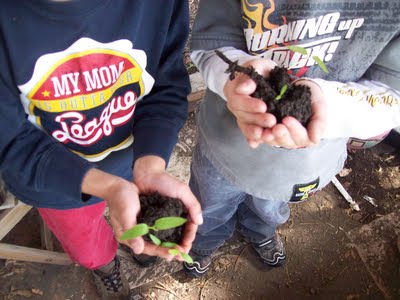
Seeds can grow into anything.  Seriously.  ANYTHING. 


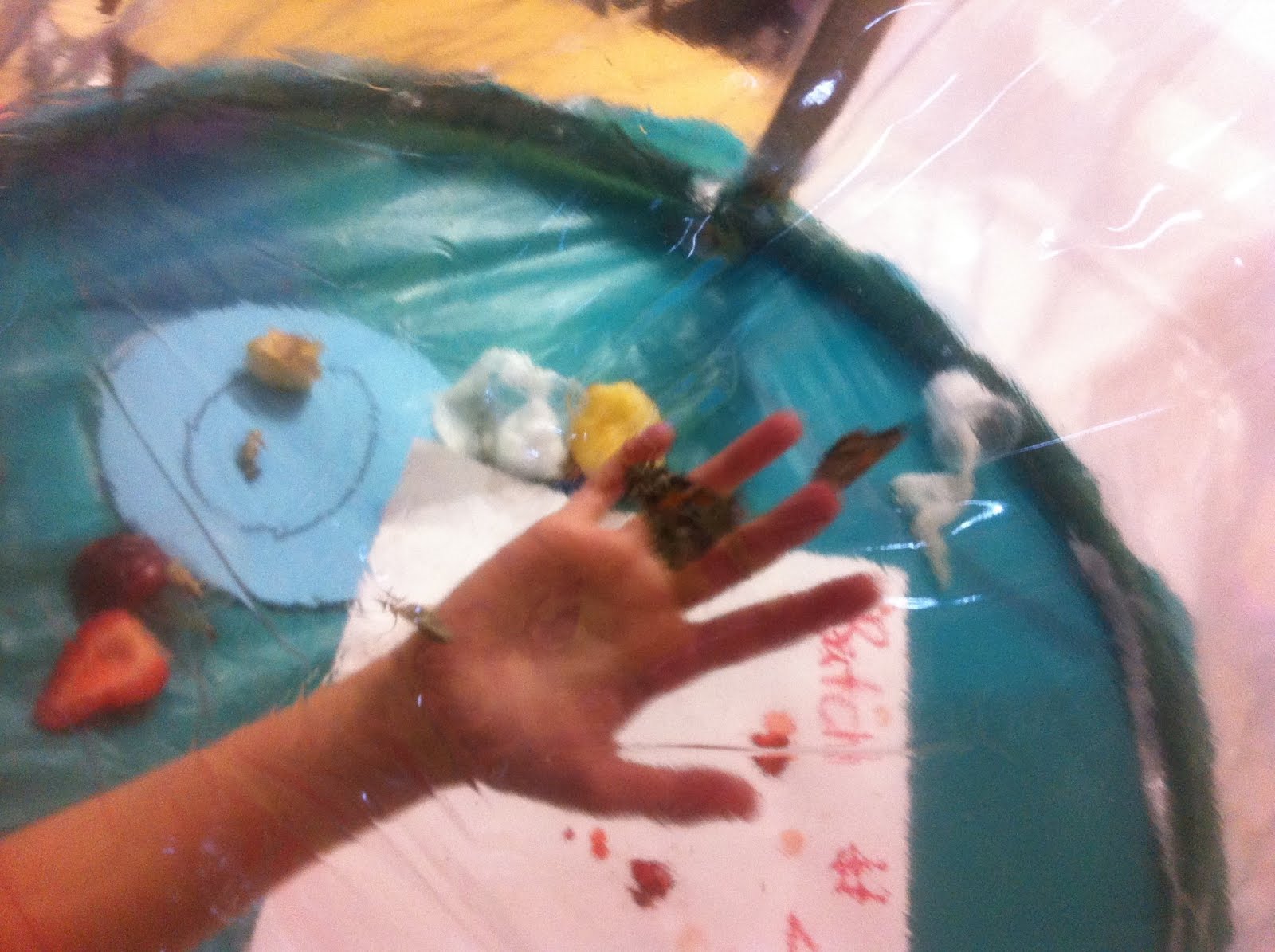
You can tickle the tummy of butterflies.  They seem to like it. 


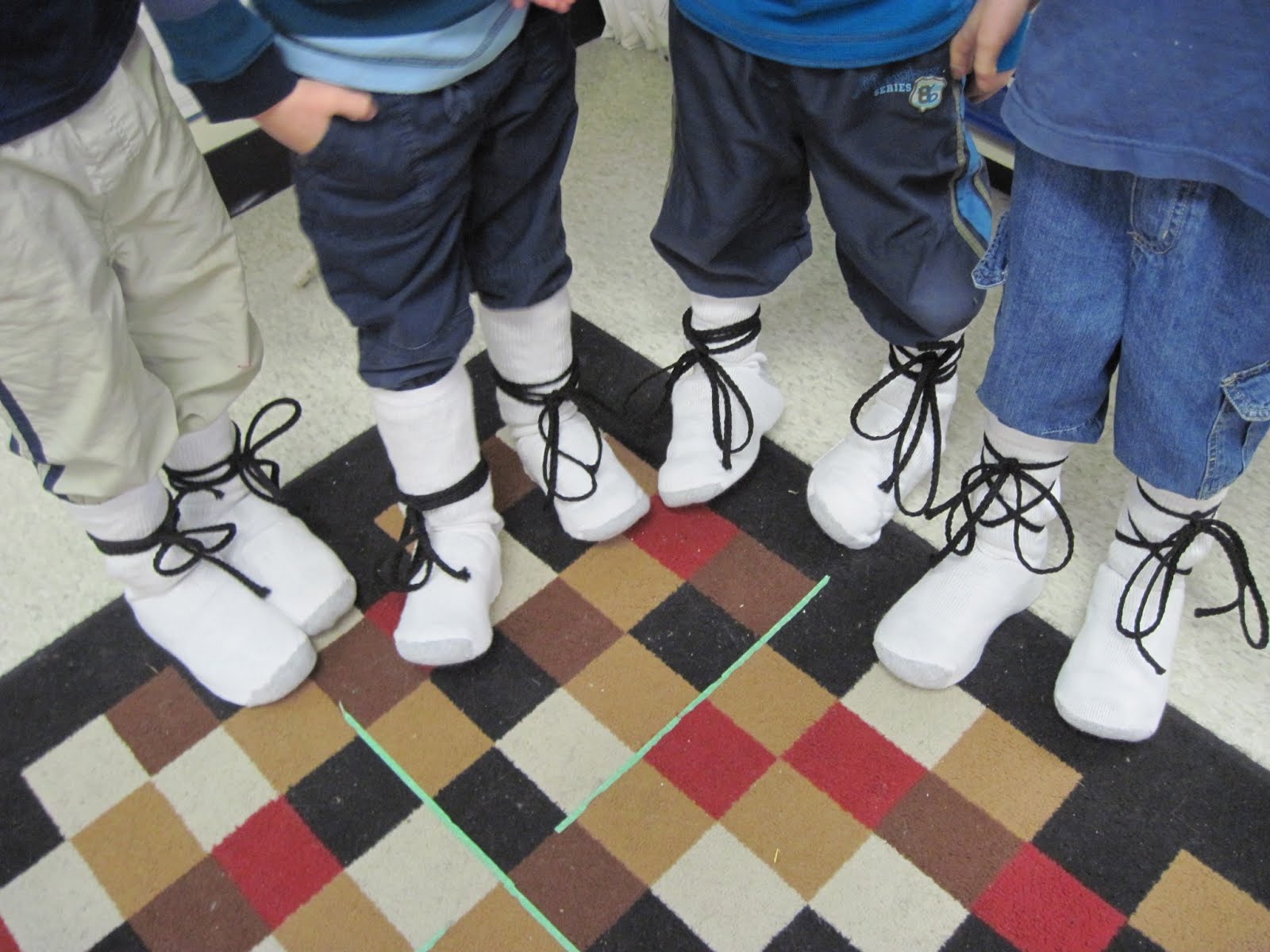
Everything is better when you wear Pet the Cat Shoes. 


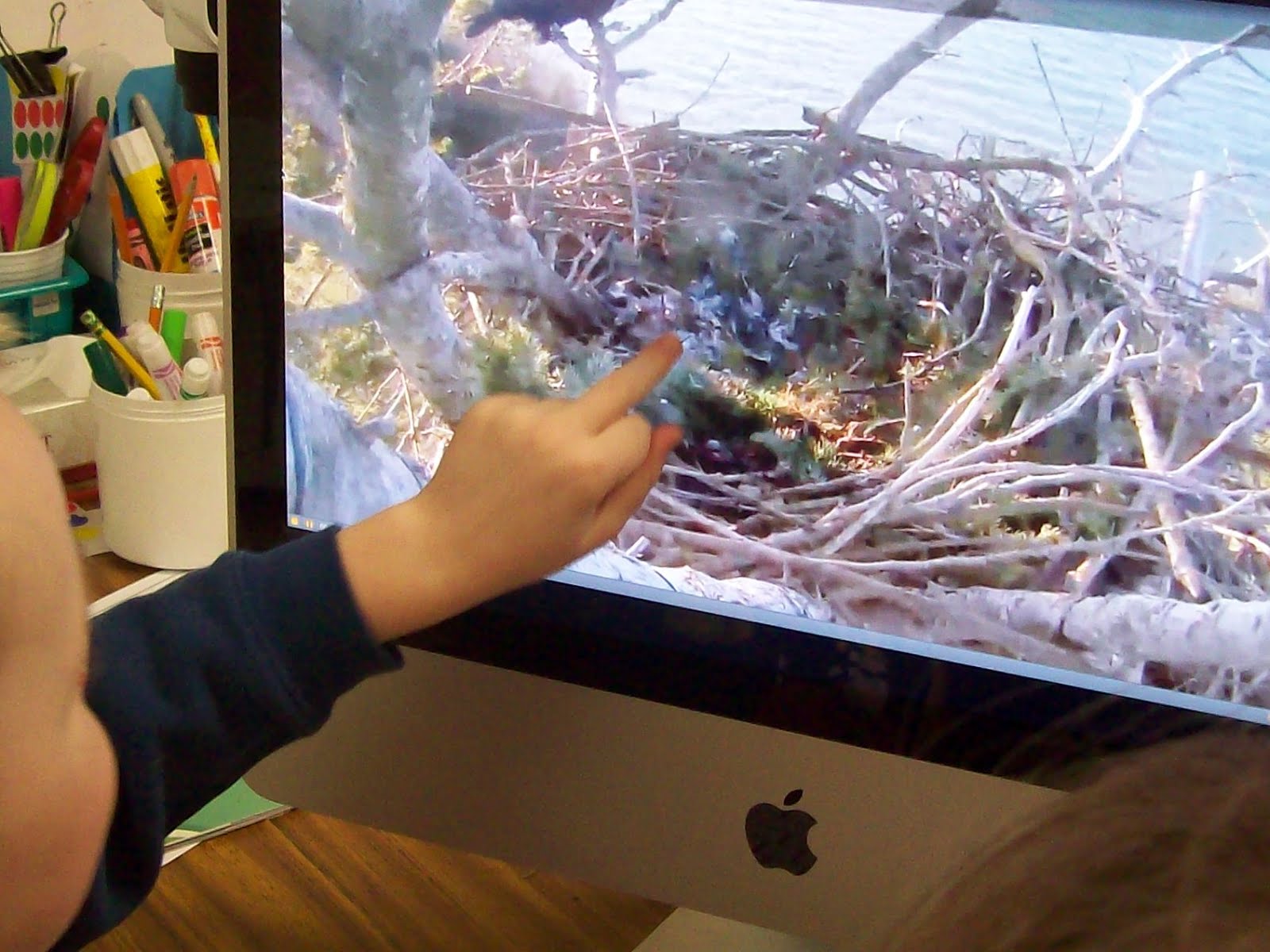
This could be a beaver dam.  Or a log jam.  Or a nest.  For something big.
Like BigFoot. 


Daily Schedules need people, play, numbers, writing, rainbows, and do overs.


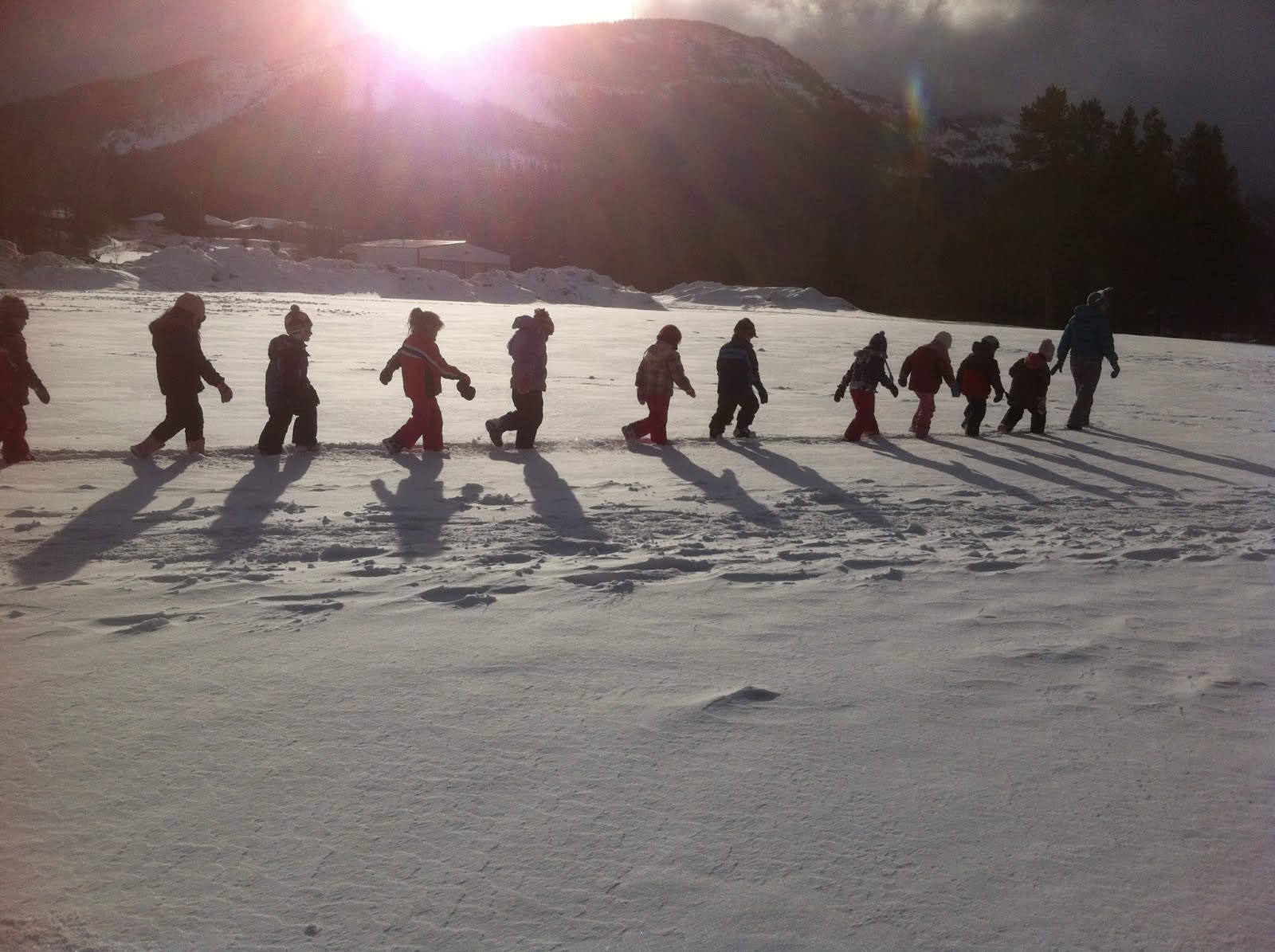
Sometimes letting someone bigger than you break trail is a good thing.


What energy do the children in your life give to you?  


Mardelle Sauerborn is a mom and a teacher.  Which is kind of the same thing.  Sometimes she blogs but never daily because you would get pretty sick of her rants and tangents.   

Monday, January 14, 2013

The Blame Game

Today's post is by @mattbgomez, a kindergarten teacher in Dallas, TX.


CC Image Courtesy of Calgary Reviews


If you are on the Twitterz and hang around Kinderchat at all you have probably seen #blameMatt a time or two, thrown around by my friends there. A while back I suggested they all try a new app and told them they could blame me if it did not work out. That concept stuck and I have been blamed for many things since. Tired of hearing about the fiscal cliff, upset that the Canadian penny failed, or frustrated trying to convert from Fahrenheit to Celsius...? Yep, #BlameMatt.

It is of course almost always done in jest but blame is an important topic.  I think the blame game is the second most important predictor to success in the classroom (relationships being most important). Todd Whitaker sums it up perfectly in his book What Great Teacher Do Differently: "Good teachers consistently strive to improve, and they focus on something they can control: their own performances... Great teachers look to themselves for answers, while poor teachers look elsewhere" This concept has to be part of EVERY aspect of teaching. Not just lessons but also behavior, classroom management,  relationships with kids, relationships with parents, relationships with colleagues, schedule, planning etc. When I was a new teacher I was not very good at this and I got sucked into the blame game often. I have improved a lot but still have a long way to go. Have you heard someone say "kids these days (insert negative comment)..." I have and I think these statements undermine real progress.

The past two years I have strived to focus on controlling the environment instead of the child. Changes have included removing rewards from the class, focusing on relationships, removing all but one rule from my class and reaching out to parents more. My classroom resolution this year is to continue this growth towards always looking at myself first when things are not going well. I know lessons will fail, parents are not perfect, my ideas will not always be supported, testing will frustrate, and there will be kids that push me to my limits but I can not control those things. I can however control my response. I have to always remember the most important things are that the kids enjoy coming to school and that they are having fun. I am confident that when that happens the learning occurs.

If you are looking for a space full of wonderful teachers that are always self reflecting, asking difficult questions and pushing themselves and those around them, look no further than Kinderchat. The space is full of good friends, great teachers and of course the perfect place to #BlameMatt.

I am a Kindergarten teacher in Texas and despite my dislike for glitter I enjoy every minute in the Kindergarten classroom. I have recently started presenting on technology in the classroom and I blog at My Hullabaloo on technology, creativity, and play.  I am passionate about using social media in the classroom and as an educator and you can find me on Pinterest, Facebook, Twitter and Scoop.it

Sunday, January 13, 2013

Collaboration

Today's post is by Sharon (@kkidsinvt), a kindergarten teacher in Vermont. 

Last week I was at our iPad cart picking up iPads for my exploration time. One of my colleagues was there too. She asked me what I was doing on the iPads with my Kindergarten students. I shared how we were using Doodle Buddy to create different patterns. I was explaining how this was a great app because it gives the children a great opportunity to show how they are thinking, and of course when I ask them to explain how they know they created a pattern, they naturally begin to justify their thinking. I then offered a couple of my students to come into her kindergarten class and mentor her students. Hurray! This was easy to organize and the idea came from a simple question, "What are you doing these days with the iPads?" 

So through a brief conversation by the iPad cart kindergarten students are able to be mentors to other students about their understanding of not just patterns, but how an iPad can be used to develop and reflect their understanding as well. Now my students will have a weekly opportunity to share what they are learning about with other students. Through this sharing my students are able to reflect and make a difference for others. The students we are mentoring will have the same opportunities that we are having, get excited, deepen their understanding of patterns, make new relationships and experience how an iPad can enhance their understanding of what they are learning.


Some comments I heard while watching were; "Let me show you", "nice job", "Is it a pattern?", "How do you know?", "You did it!", "That is great!" As a teacher this is so powerful because it gives me an opportunity to connect and collaborate with another colleague and of course I am modeling this for my students as well.


Look for opportunities to collaborate and make meaningful connections. The most amazing things can happen and the results benefit everyone!

Tomorrow: @mattbgomez writes about how everything really is his fault...

Wednesday, January 9, 2013

The Power of Learning Beyond Your Classroom

Today's post is by @klirenman, a grade one teacher in Surrey, BC, Canada.

In July 2011, on the suggestion of a friend, I joined twitter for professional purposes. Within ten days I was enrolled in an on-line conference and I was blown away by what I was hearing.  One session in particular, led by Aviva Dunsiger (@avivaloca), made me realize how much more I could be doing with my young learners.     

I started following Aviva, and other early primary educators.  Soon I was following close to 100 people and some of them were following me back! My brain was constantly spinning with the new ideas being shared by these incredible educators. But it was more than that. I was getting to know these people as real friends. Our discussions were real and genuine connections were forming.  I was becoming a connected educator and my Personal Learning Network (PLN) was forming.

Fast forward almost 18 month and my PLN has exploded, and continues to grow daily. I am constantly in awe of those I learn with and the “real” connections that I have with many of the people I know from twitter. I have never been so inspired to learn, grow, and share because of the people that I was interacting with.

But what does any of this have to do with my young learners?

Twitter made me realize how important being connected really is. How there is so much benefit in learning from others both near and far.  Yet no matter how near or far you live from someone you often have more in common than not.  I wanted my students to understand that too.


As soon as I was able I introduced my students to blogging as a way to connect with the world.  Our class blog and their individual blogs were places to invite the world in.  They were places to have conversations, like stepping stones to learning beyond our classroom.  I modeled commenting as a way to create and extend conversations, and over time my students did all the composing of the comments.  We “blogged around the world” and visited classrooms through their class blogs.  We left them comments: often curiosity questions we had.  It was the least expensive field trip we could take, and yet it taught us so much.  My students learned about how small the world really is, and as much as we are all very different we are all very similar. My students learned a lot about and from others.


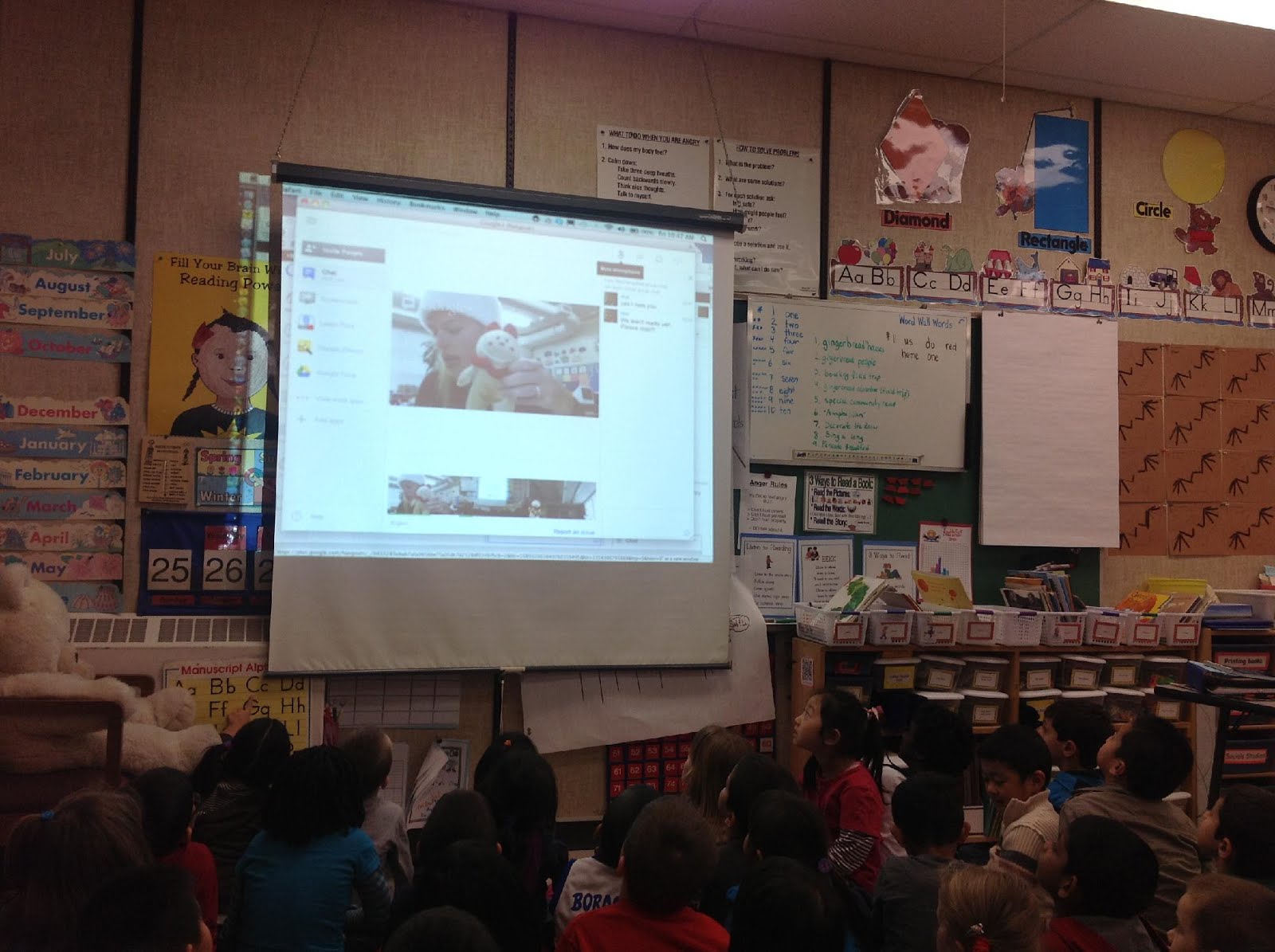
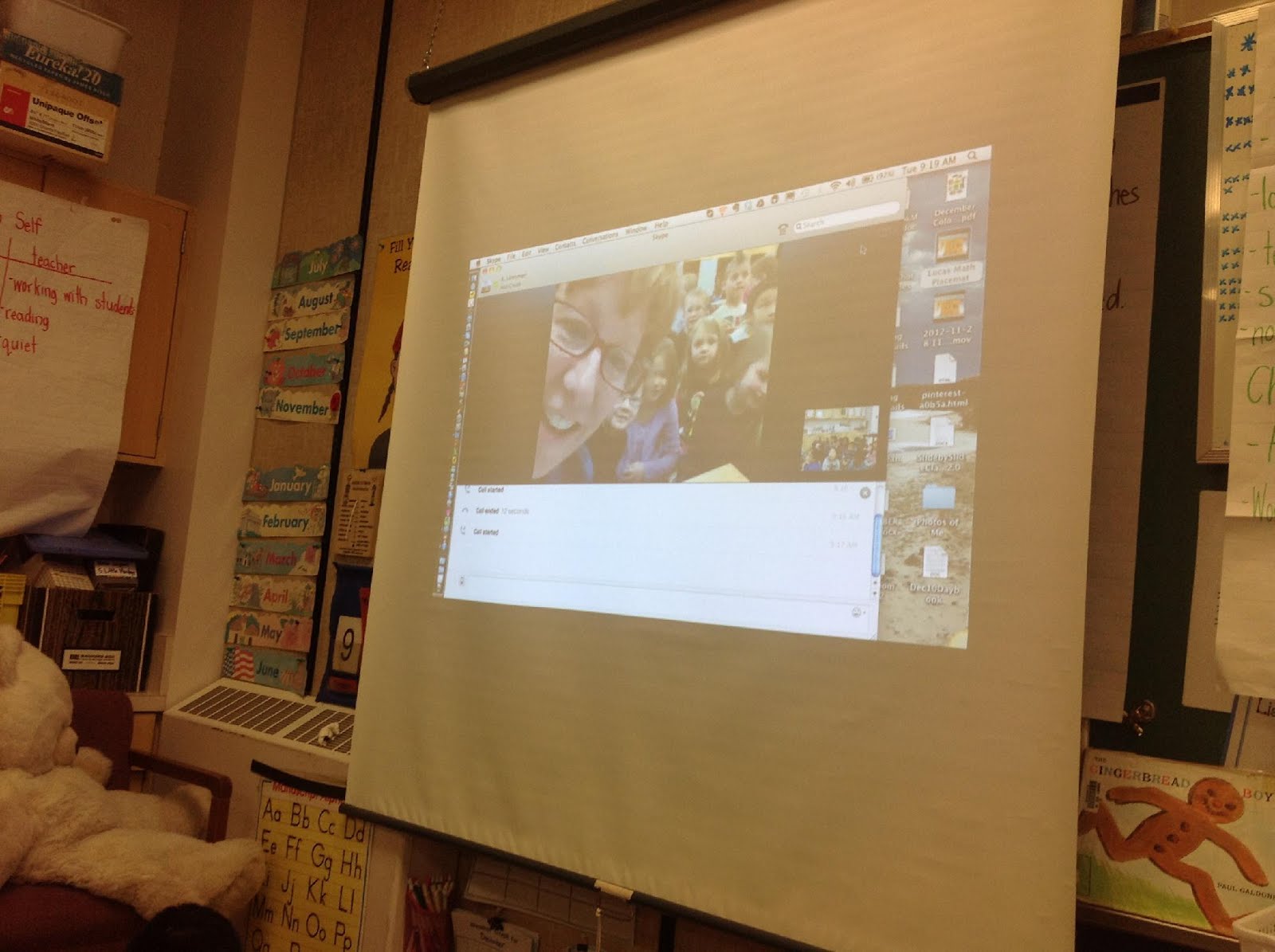
I took it a step further by inviting other classes and teachers into our classroom through video conferencing (Skype, FaceTime, Google Hangout).  This allowed my students to ask their curiosity questions and have them answered by adults or kids their own age. Other students also asked them questions and so my students had to use their brains and their voices to answer them.  The video conferencing helped support dialogue, curiosity, and reflection amongst my students.


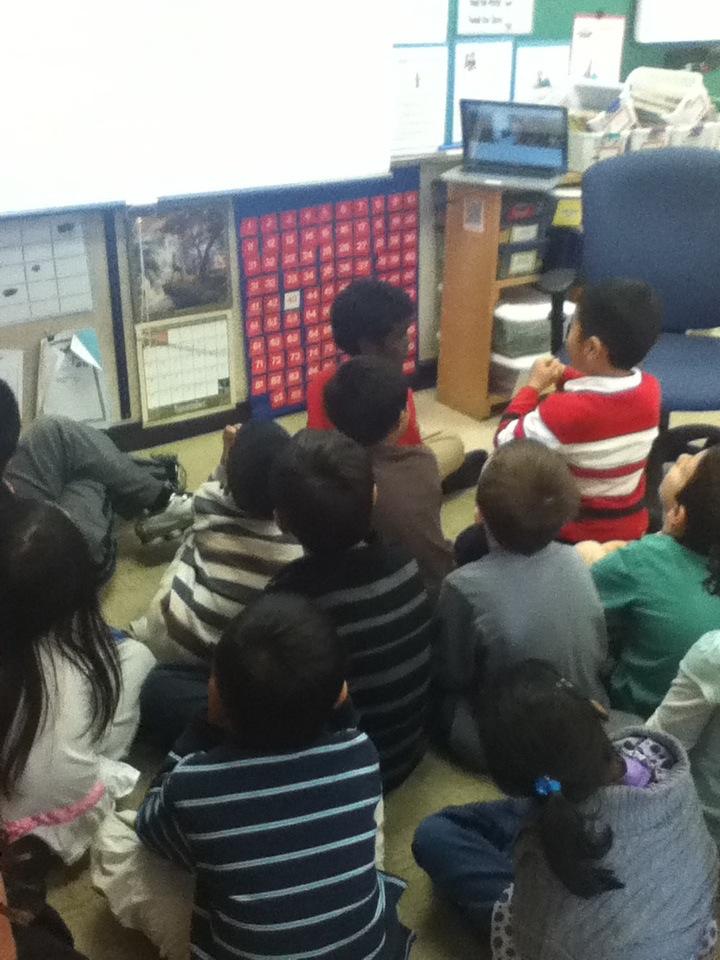
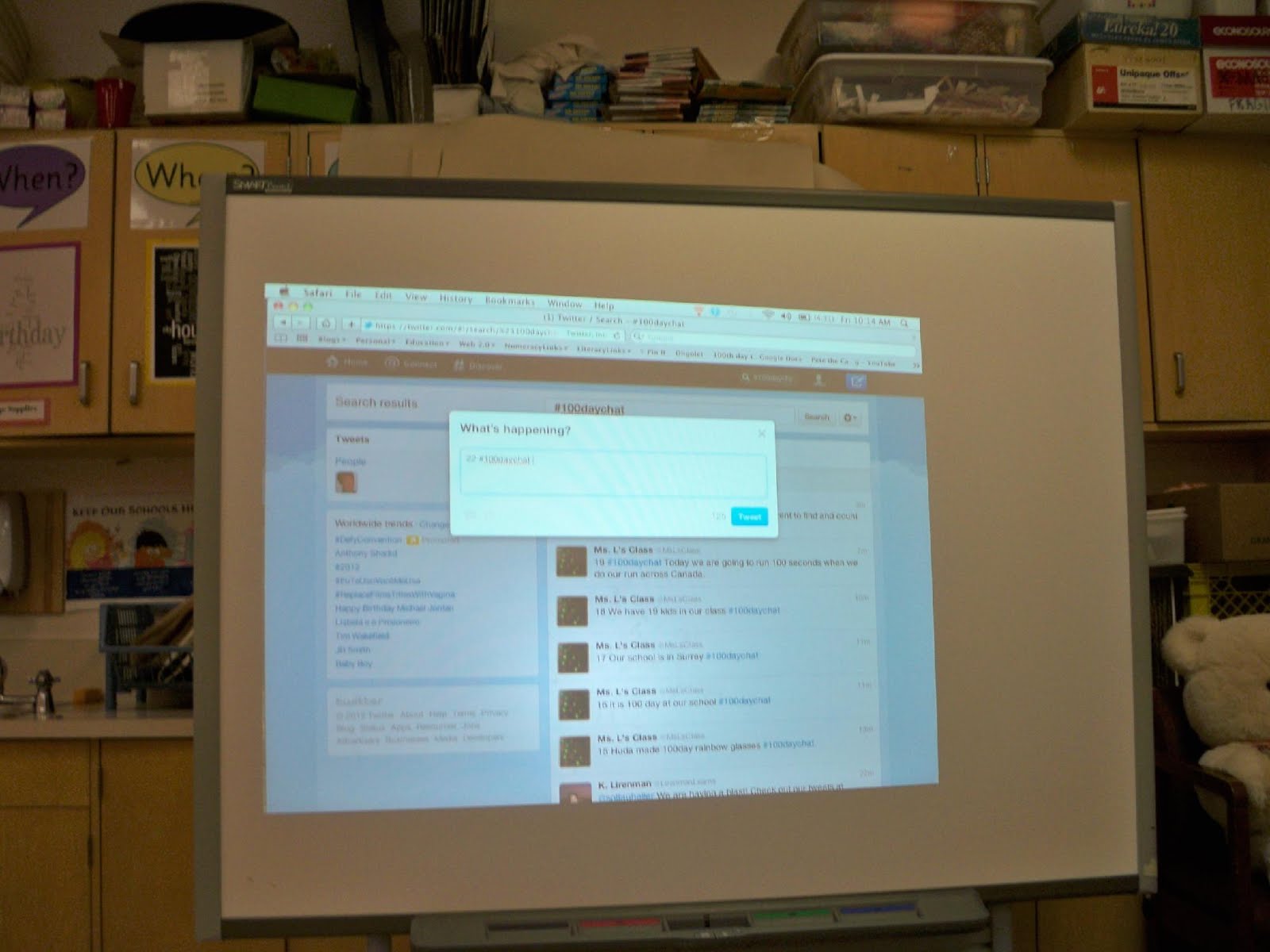
We also utilized twitter to connect with others. The cool thing about twitter is that if you direct a tweet directly to a class they will see it and in more cases than not they will respond to it too. Using hashtags to have conversations on a specific topic, or to share learning about a specific topic helped us get connected too.


I can’t imagine my class not being connected to other classes both within our school, and our school district, but way beyond.  So if you haven’t had your class connect with another class it might be something to try.  Connections are powerful in so many different ways.   Happy learning!


Karen says: "I am a grade one teacher in a public school in Surrey, BC, Canada. This is my 21st year of teaching and in the past I have taught ESL K-7,K, K/1, 1, and 1/2.  I’m a total learning geek but I love sharing what I discover with the intention of helping others along the way.  While Vancouver is my home, I have lived and worked in London England, and Melbourne Australia.  I love to travel and learn about different cultures and traditions.  I share some of the spinning in my brain on my professional blog at www.learningandsharingwithmsL.blogspot.ca .  I maintain a class blog at www.mslirenmansroom.blogspot.com.  My grade one students blog individually at www.kidblog.org/mslirenmansclass2012.  You can always find me and my class on twitter - me at @klirenman and my class at @MsLsClass."

Come back tomorrow for a post from @scrappymummy!